News

Joyful Harvest at University for Development Studies Living Lab

The University for Development Studies (UDS) Living Lab carried out a harvest today, marking another milestone. The harvesters were very excited as they received the fresh produce as a gift, a gesture that added excitement and community spirit to the day’s activities.

Moments like these reflect the practical benefits and local engagement made possible through the INCiTiS-FOOD project.

Progress Across Systems at Njala University Living Lab

At Njala University (NUSL), the Living Lab is recording steady progress across multiple aspects of its aquaponics research. The peri-urban aquaponics system is proving to be feasible, and sustainable. The nutrient film (NFT) is showing promising results, with more updates expected soon.

Equally impressive is the performance of the growbed setup, referred to by the team as “growbed magic,” for its consistent and healthy plant growth. Alongside these developments, feed research is currently underway to optimise nutrition for fish in the system. Haematological analysis is also being conducted on experimental fish to support overall system health monitoring.

We are closely following the  NUSL team for all the updates on all their innovative approaches.

Amaranthus and Mint Growing Steadily at University for Development Studies Living Lab

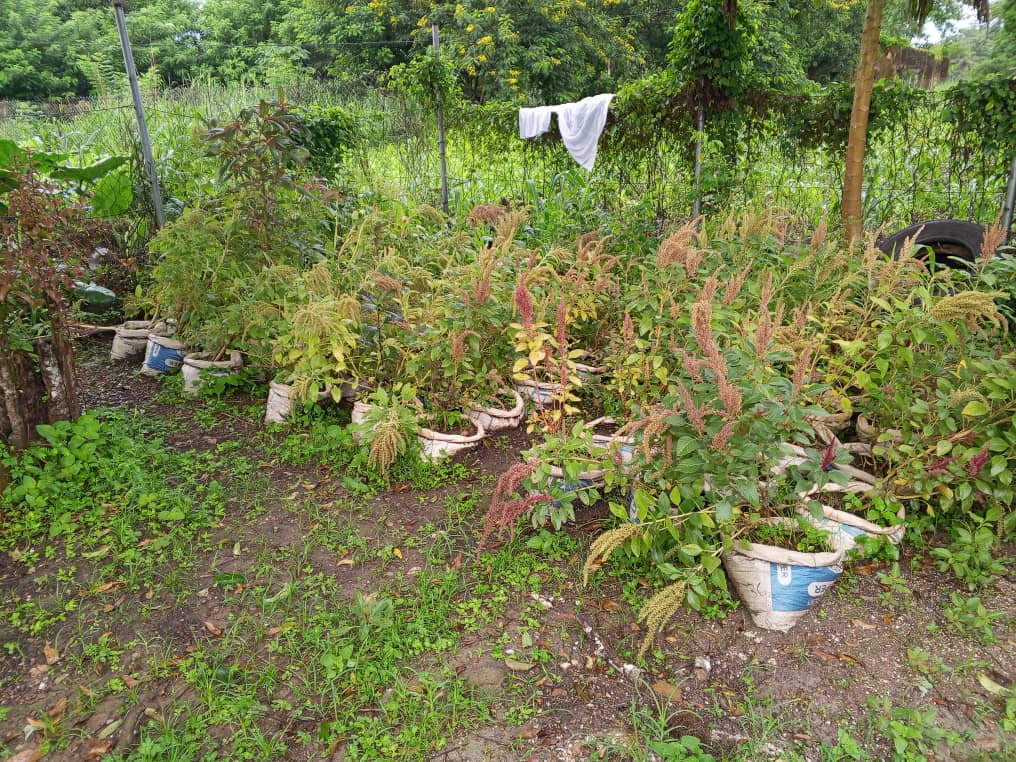
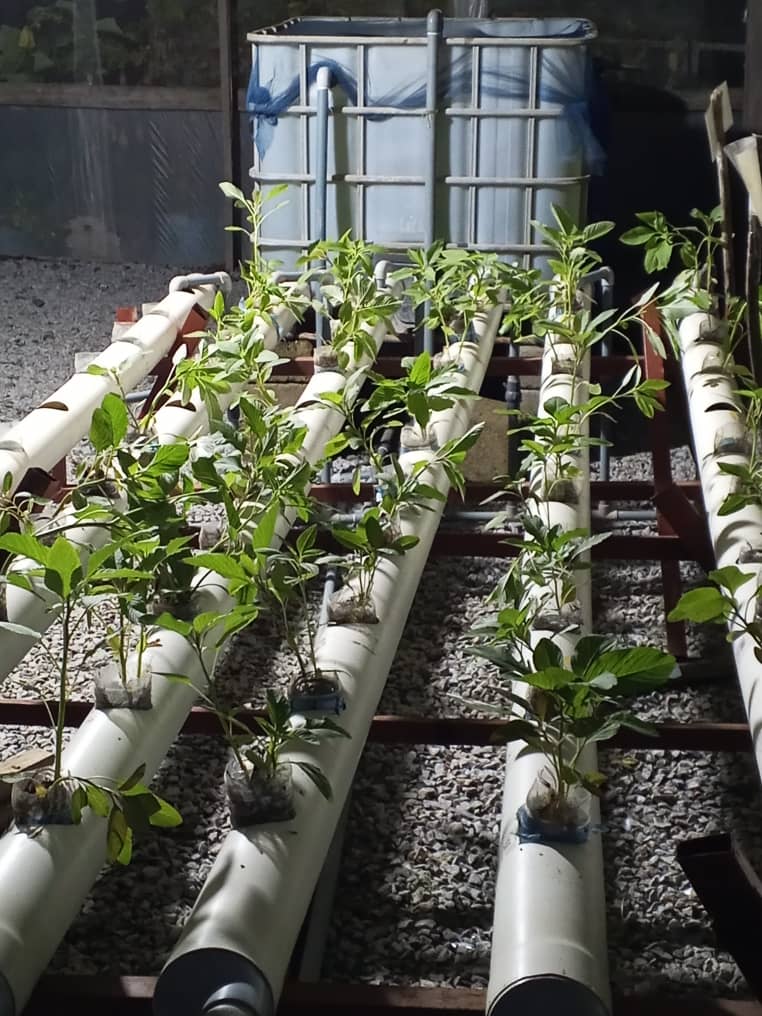
At the University for Development Studies (UDS) Living Lab, experiments with amaranthus and mint are progressing well across different aquaponic setups. The plants are currently growing in nutrient film technique (NFT), media bed, and deep water culture (DWC) systems.

These trials aim to assess performance across multiple growing methods within the standard aquaponics unit, contributing to local knowledge on sustainable crop production in integrated systems.

Simple Innovation, Big Impact at Njala University Living Lab

At the Njala University Living Lab, a straightforward adjustment to the aquaculture system is making a notable difference. Continuous aeration has been introduced, and its effects are clearly visible.

This simple yet effective approach prevents flocculation, allowing solid waste to settle directly to the bottom and move efficiently into the digester. By enhancing water clarity and system flow, the innovation supports a cleaner, more productive aquaponic environment.

Sometimes, the most effective solutions are the simplest.

Capsicum Harvest: From the Egerton Living Lab to the Table

At the Egerton University Living Lab, a successful capsicum harvest recently brought the farm-to-fork concept to life. The vibrant peppers were harvested, shared, and enjoyed, demonstrating the practical benefits of sustainable urban food production.

Larvae Growth at Kenyatta University Living Lab

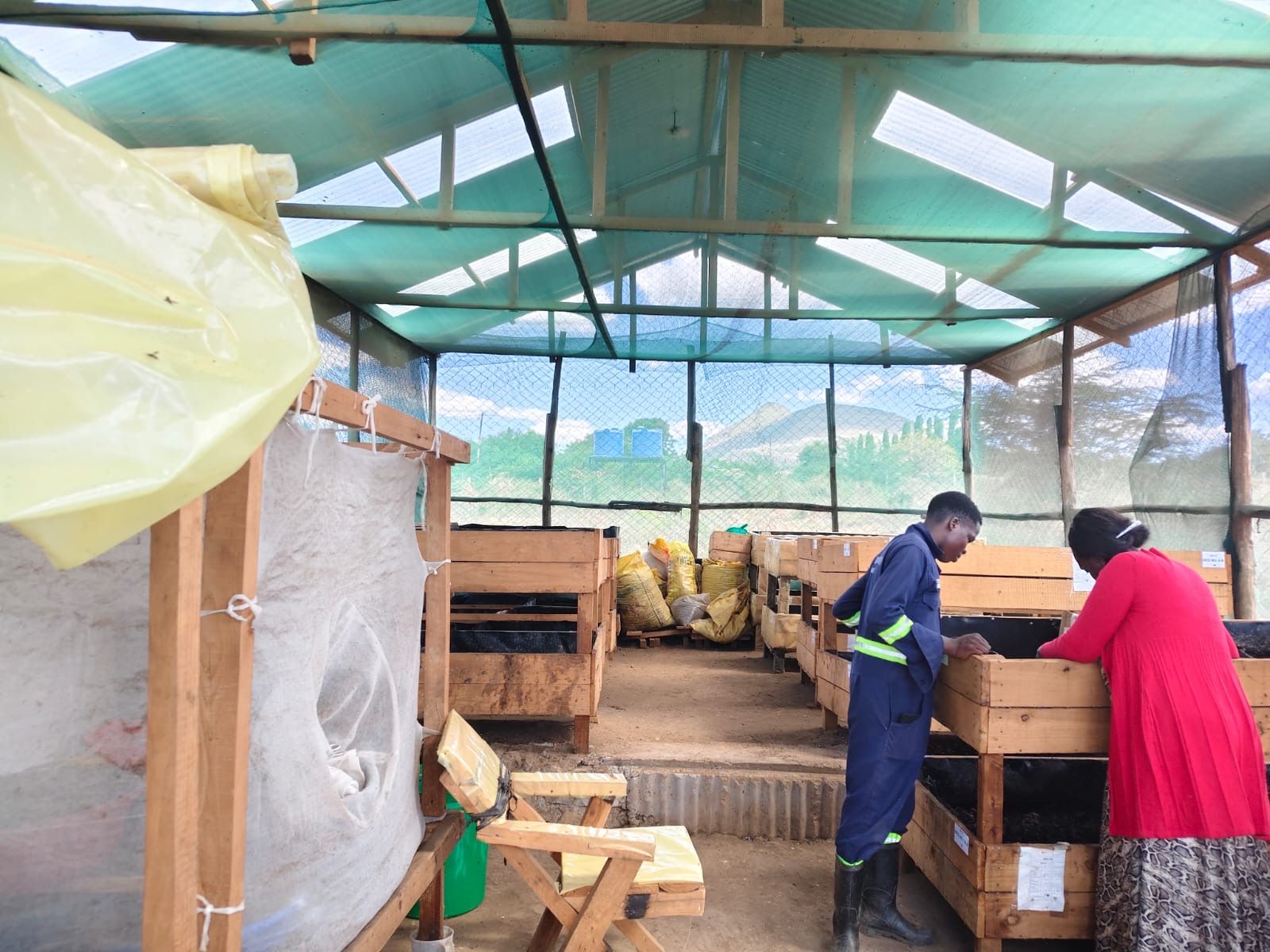
The Kenyatta University Living Lab has recorded its largest black soldier fly larvae to date, marking a notable milestone. Recent photos and videos show impressive larvae growth, which can be attributed to a refined feeding strategy.

Amaranth Harvest from University of Ibadan Living Lab Hydroponic Unit

Today’s harvest of amaranth from the UILLs’ hydroponic unit highlights the productivity and freshness achievable through soilless cultivation. The leafy greens were harvested at optimal maturity, reflecting the effectiveness of the hydroponic system in supporting nutritious vegetable production.

Developments at Njala University in Sierra Leone

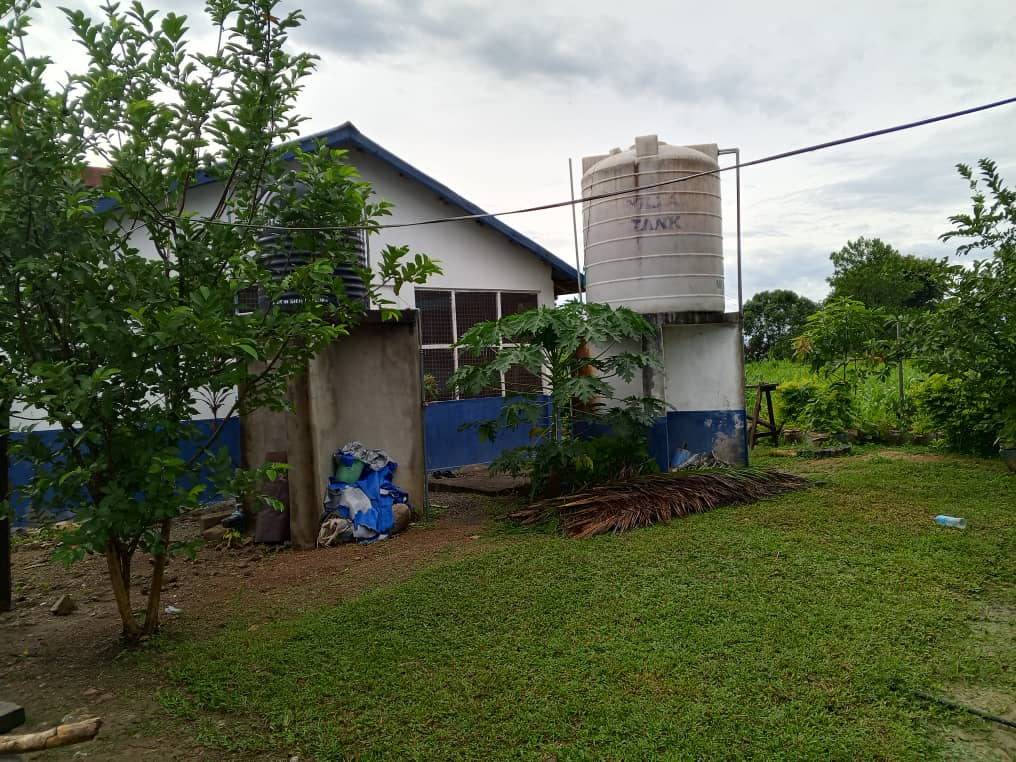
Development activities at Salone Aquaponics in Sierra Leone are currently underway. The system features a design that supports multiple aquaponics setups while ensuring the judicious use of water resources. Further updates, including progress from other farms, are expected to be available in the coming days.

Kenyatta University Introduces the “Grassroot Champions” Concept

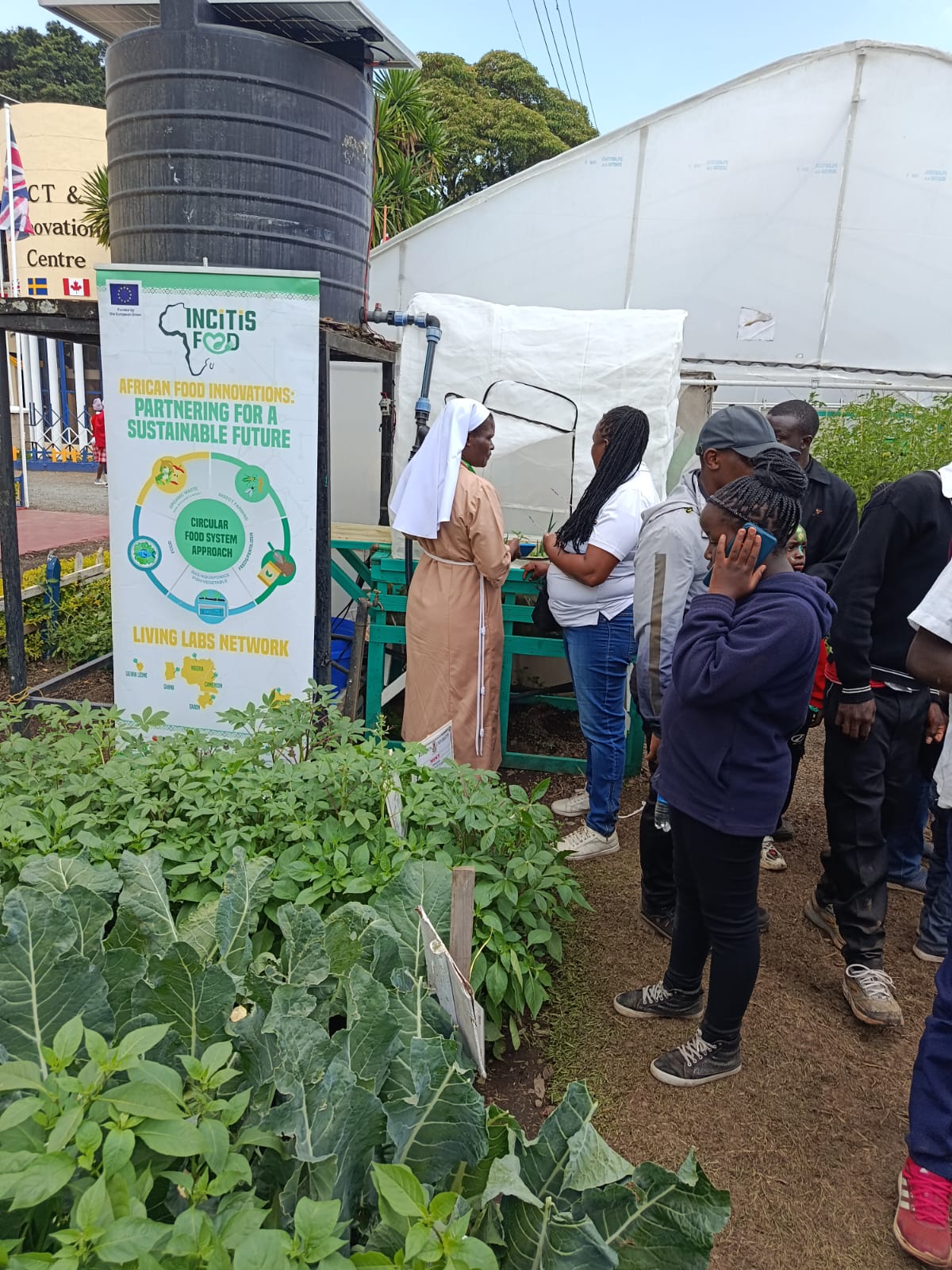
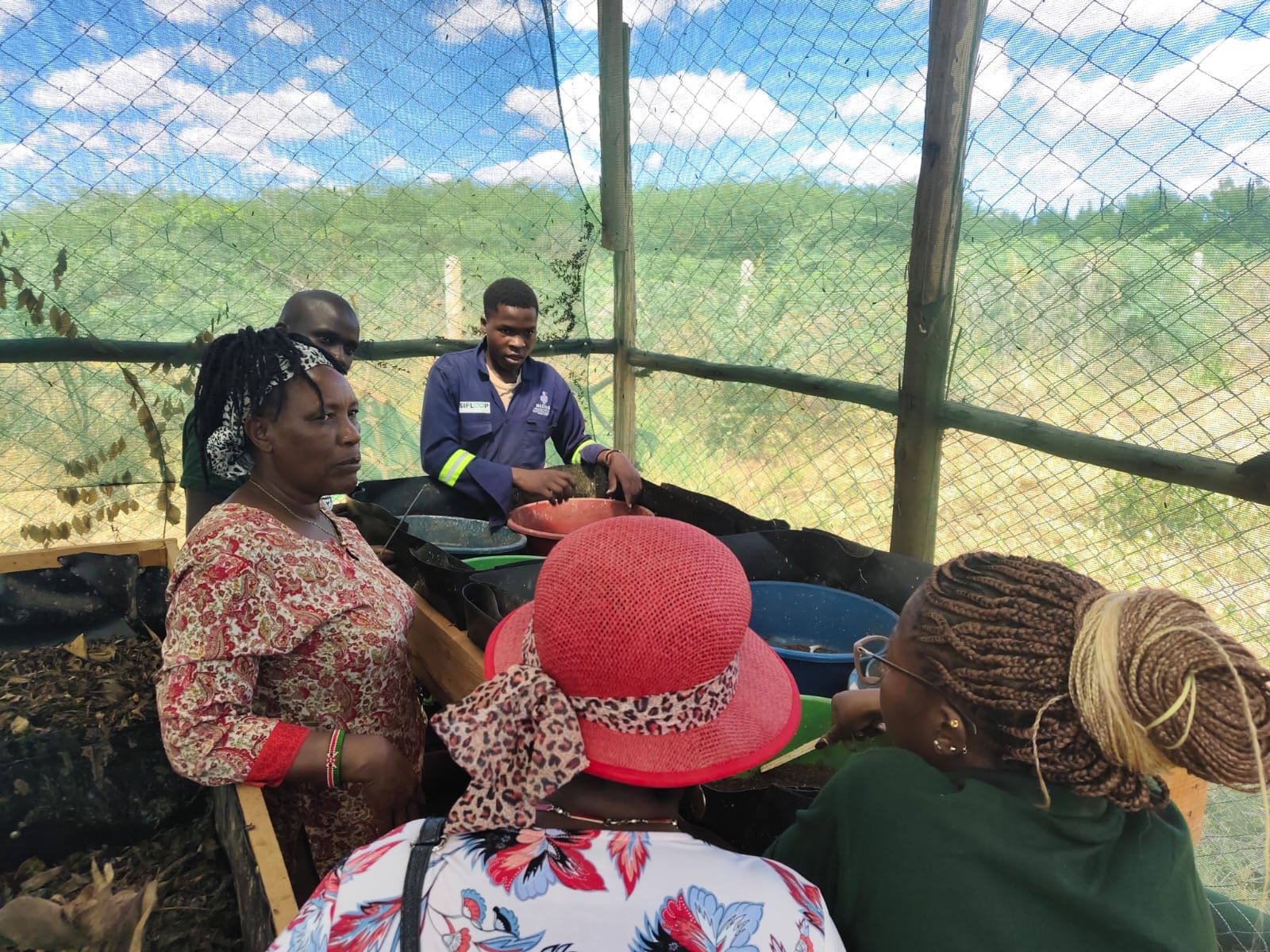
Kenyatta University (KU) has established the concept of “grassroot champions,” where innovation actors take on the role of showcasing the adopted technologies within their networks and local neighborhoods. This approach supports peer-to-peer knowledge sharing and encourages wider adoption of innovative solutions at the community level.

Visiting the Open Call Winner

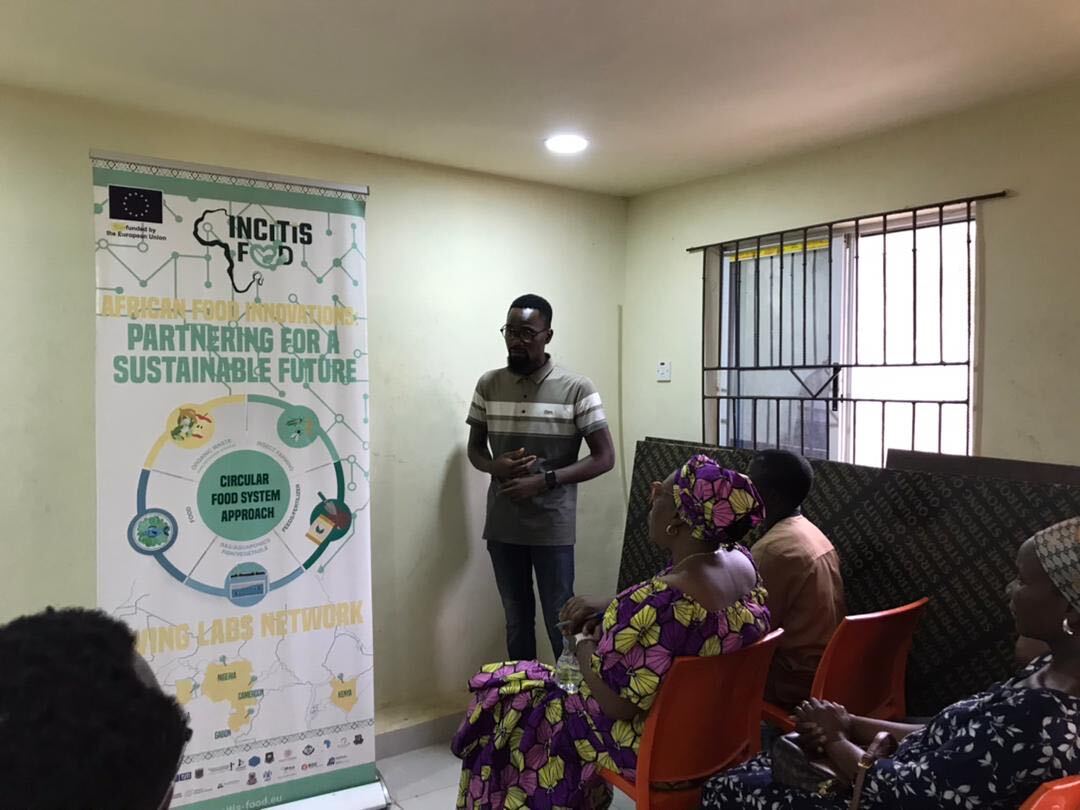
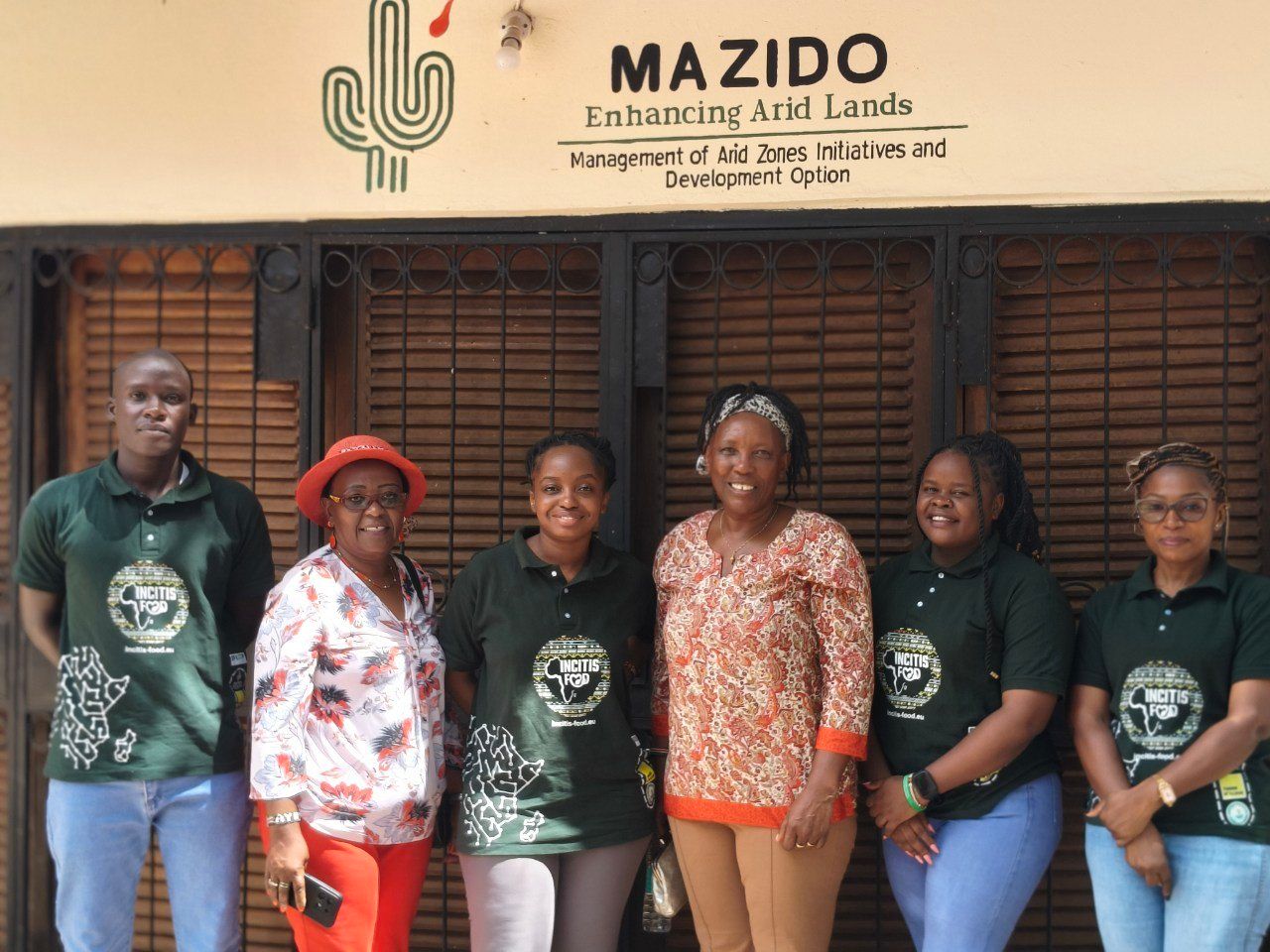
INCiTiS-FOOD co‑cordinator Emmanuel Benjamin visited Yaba College of Technology (YABATECH), a partner in the winning AQUA‑CITE consortium from the first INCiTiS-FOOD Open Call. During the visit, our co-coordinator and YABATECH representatives discussed Ethics and GDPR procedures. He also met with members who will be receiving their simplified aquaponics units. The exchange strengthened connections between INCiTiS-FOOD representatives and Open Call winners, supporting collaboration and knowledge sharing within the project.

Njala University Living Lab Visiting Open Call Winner

Representatives from the Njala University Living Lab visited an Open Call beneficiary based in Sierra Leone. The visit took place at the GTI Moyamba site, where partners from the INCiTiS-FOOD consortium and the OPARD partner, from the SHReVeG consortium, exchanged knowledge and ideas. The visit provided an opportunity to observe activities on the ground and to strengthen links between the Living Lab and supported innovators within the INCiTiS-FOOD framework.

Strawberry Harvest at the Bamenda University of Science and Technology Living Lab

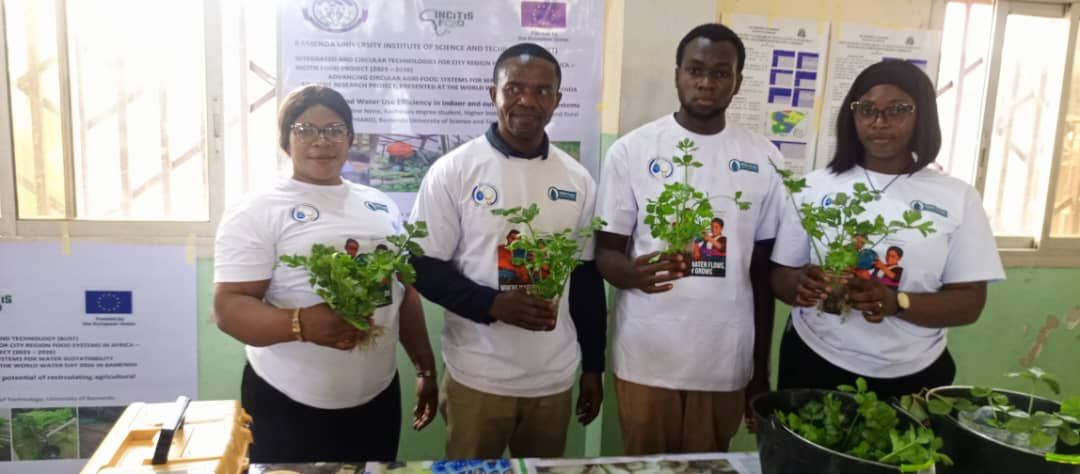
The Bamenda University of Science and Technology (BUST) Living Lab has recorded a successful harvest of strawberry fruits. This activity highlights that our Living Labs are testing diversified crops and supporting practical learning around sustainable food production. The experience contributes to shared knowledge on crop performance and management within the INCiTiS-FOOD Living Lab network.

INCiTiS-FOOD at the Global Congress on Rural and Agricultural Finance

The Kenyatta University and Egerton University teams represented the INCiTiS-FOOD project at the World Congress on Rural and Agricultural Finance, held in Mombasa, Kenya. The event brought together stakeholders from across the agricultural finance and rural development sectors to exchange knowledge and discuss approaches to strengthening food systems. Participation in the congress provided an opportunity to share perspectives from the INCiTiS-FOOD Living Labs and to engage with relevant stakeholders.

Tomato Harvest at the University for Development Studies Living Lab

The University for Development Studies Living Lab is very active with the recent harvesting of tomatoes. This marks another successful step in the Lab’s ongoing cultivation efforts, reflecting the team’s dedication to sustainable and productive urban farming.

National Patent Award for Egerton University

Our partner Egerton University has been granted a national patent for a groundbreaking invention: Temperature-Adapted Fish Feed Compositions Based on Black Soldier Fly Larvae (Patent No. KE 1063). Developed by Dr. Benjamin Musyimi and his team together with the INCiTiS-FOOD Living Lab hosted by Prof. George Owuor, this innovation transforms organic by-products into sustainable fish feed adapted to different pond temperatures, leading to healthier fish, lower costs, and less environmental impact.

This milestone perfectly reflects the spirit of INCiTiS-FOOD – empowering local innovation through Europe–Africa collaboration to build circular, climate-resilient, and inclusive food systems. From insect-based feeds to aquaponics and hydroponics, our Living Labs, like Egerton’s in Nakuru, show how science and community can turn urban food challenges into green opportunities.

Congratulations to Egerton University and the INCiTiS-FOOD Nakuru Living Lab.

Healthy Growth of Spinach and Tomatoes in the Egerton University Living Lab

The Egerton University Living Lab shares that both spinach and tomato crops are developing well. The team is pleased with the healthy growth observed so far, which demonstrates how circular food production practices can lead to nutritious and high-quality produce.

Loading
Shopping Basket