News from LL News

University of Ibadan Team Visits Open Call Winner CiWACIWE

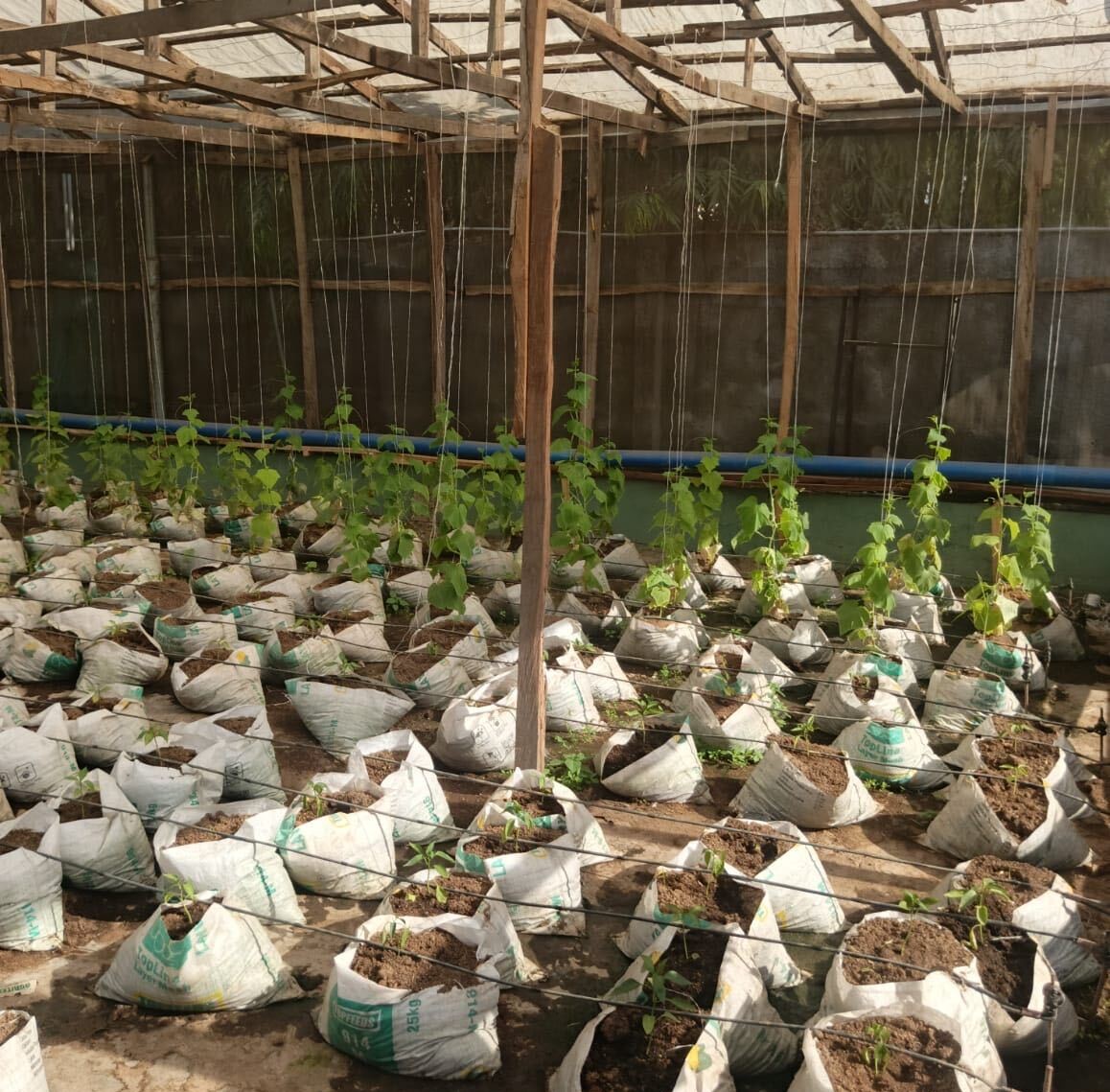
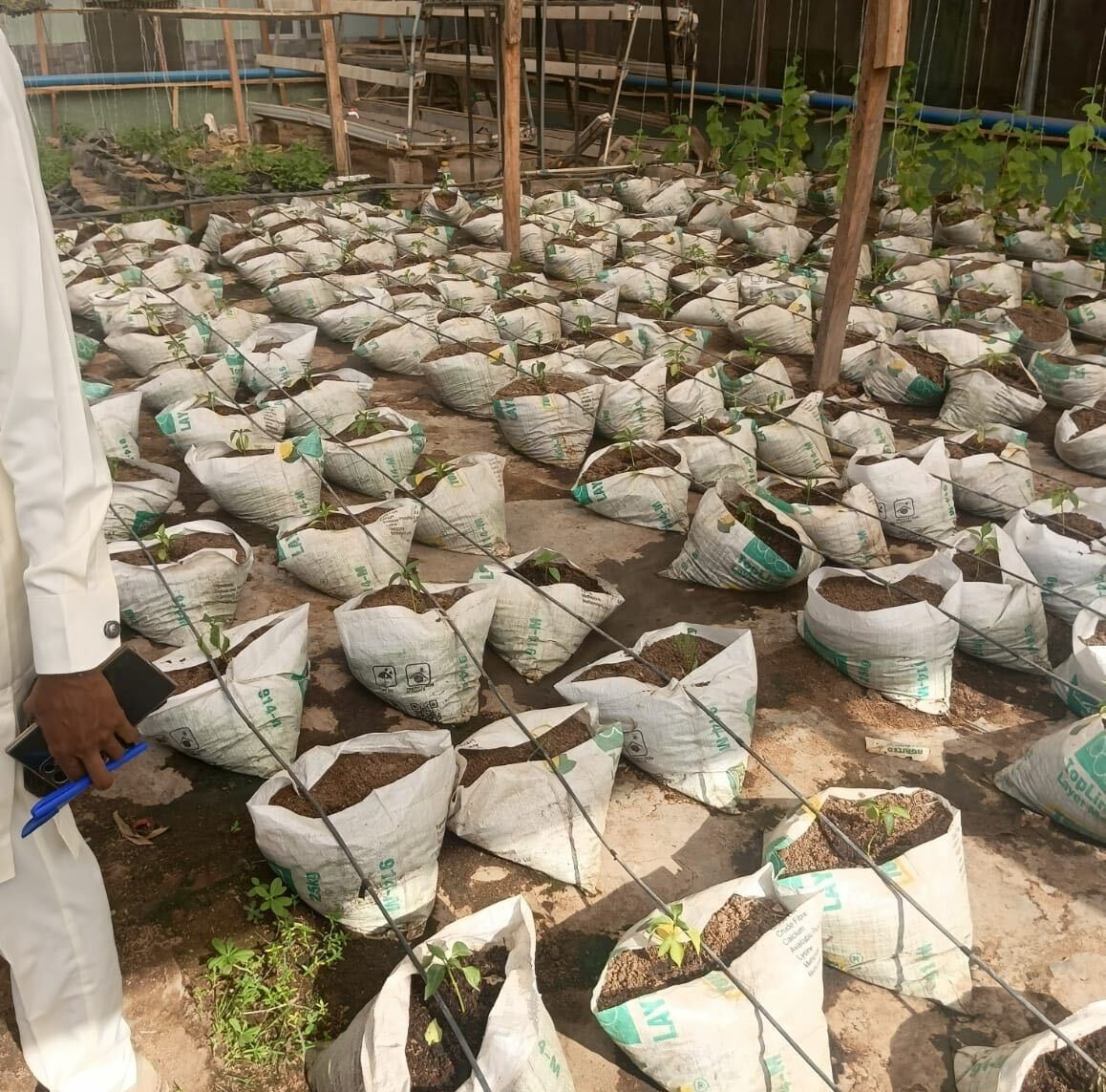
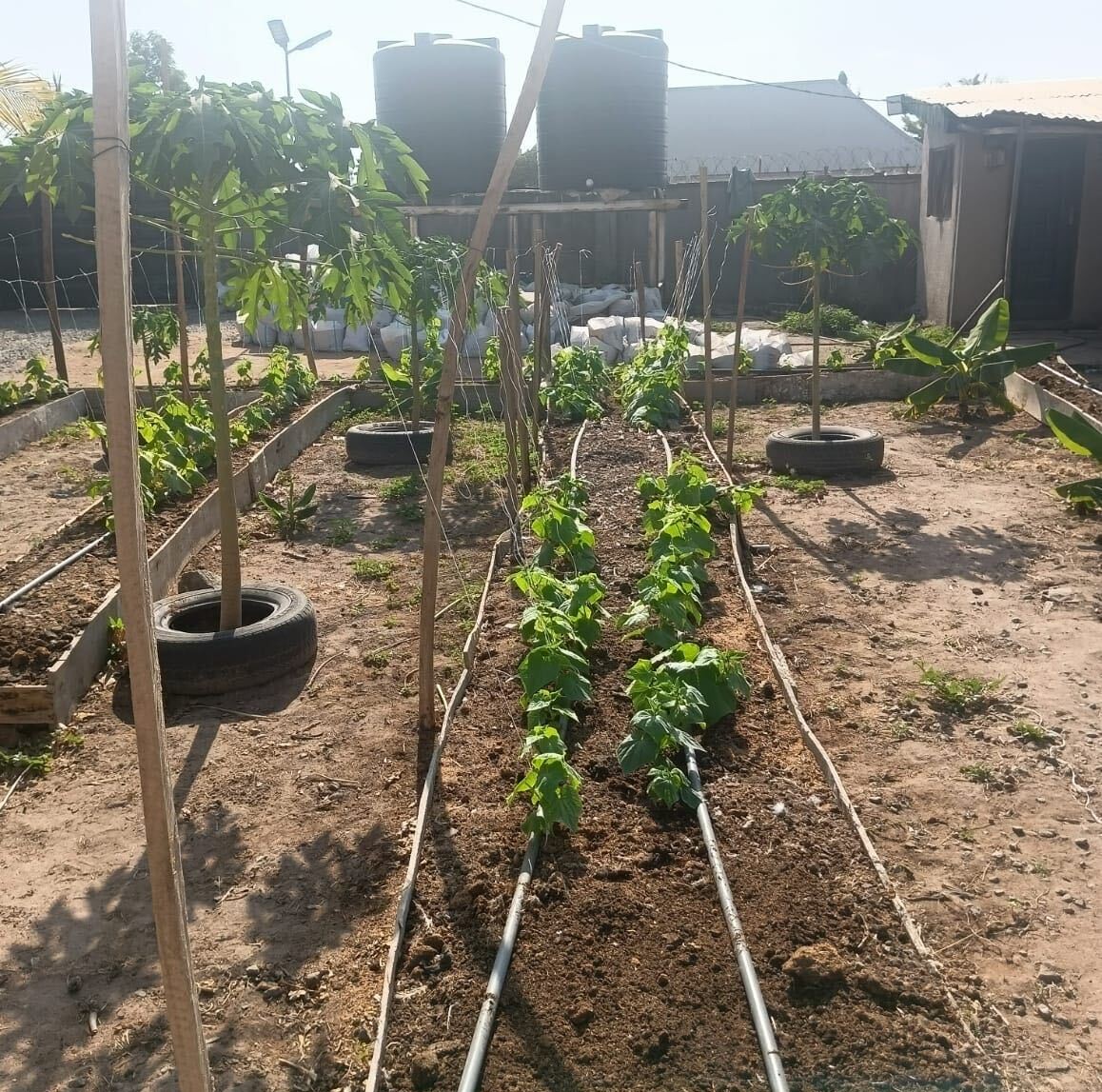
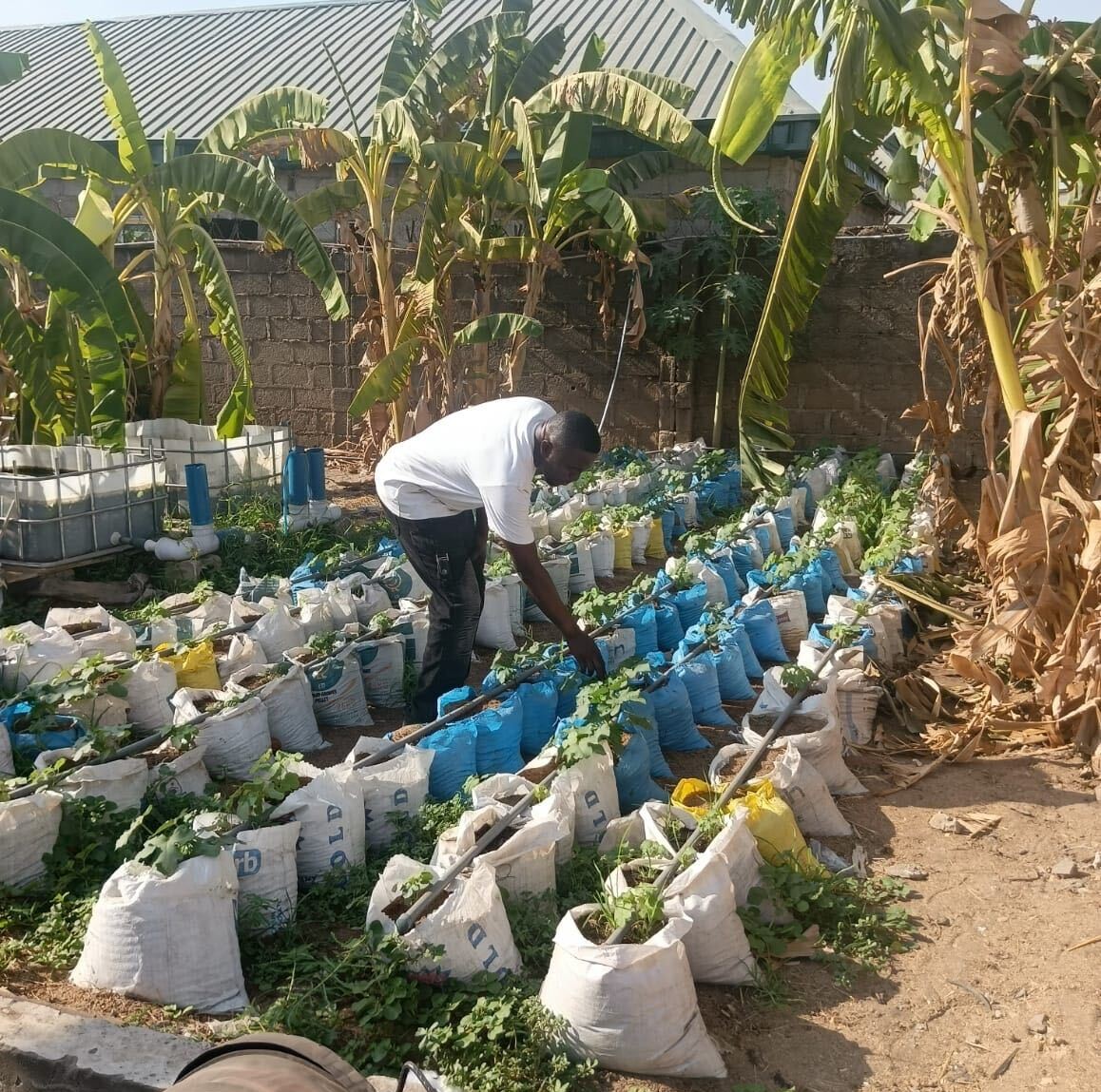
The INCiTiS-FOOD team from the University of Ibadan paid an unannounced visit to CiWACIWE, one of the project’s first Open Call winners, to see the progress of activities on the ground. The visit brought encouraging results, with both cucumber and okra plants already producing fruits. The progress observed during the visit reflects the practical implementation of the solutions supported through the INCiTiS-FOOD Open Call.

African Network of Living Labs (ANoLL) by INCiTiS-FOOD

The INCiTiS-FOOD Living Labs have launched a new network: African Network of Living Labs (ANoLL). While the INCiTiS-FOOD Living Labs serve as the core foundation of this initiative, the ultimate vision of ANoLL is much bigger – to unite all Living Labs across Africa under one collaborative umbrella. By bringing together innovators, researchers, entrepreneurs, and communities, ANoLL aims to strengthen cooperation, share knowledge, and accelerate impactful solutions across the continent.

Follow ANoLL on LinkedIn to stay updated on the latest developments, opportunities, and progress. Interested in becoming part of this inspiring initiative? Get in touch and join the movement shaping the future of Living Labs in Africa!

Visit and Exchange Between our Living Labs

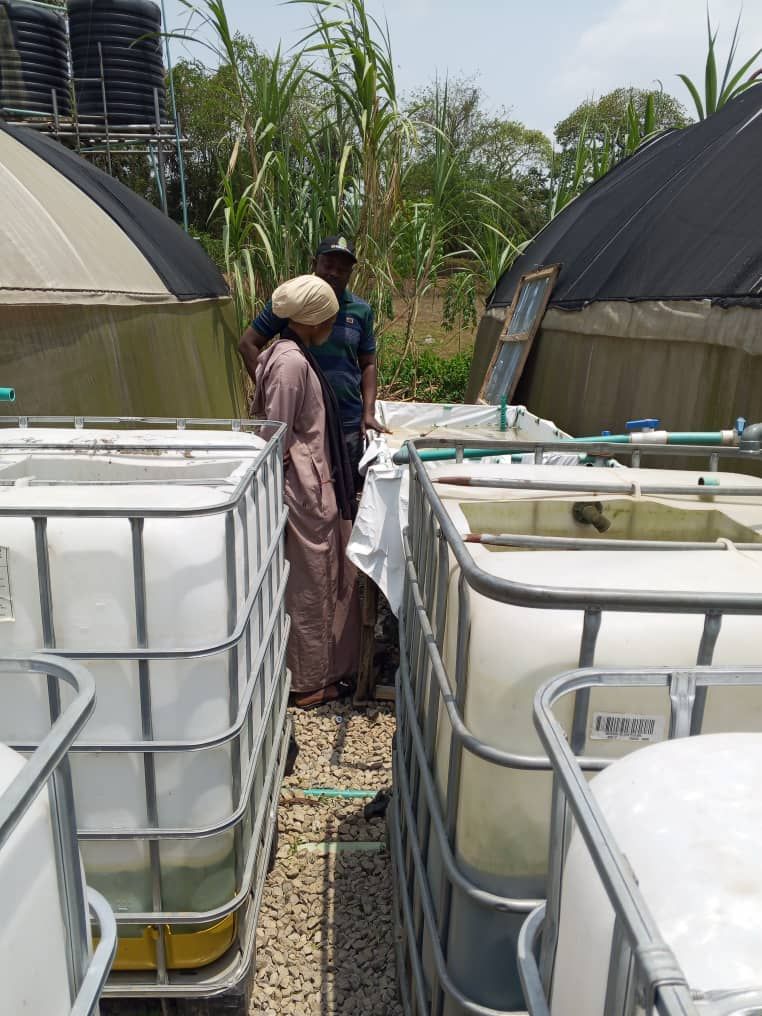
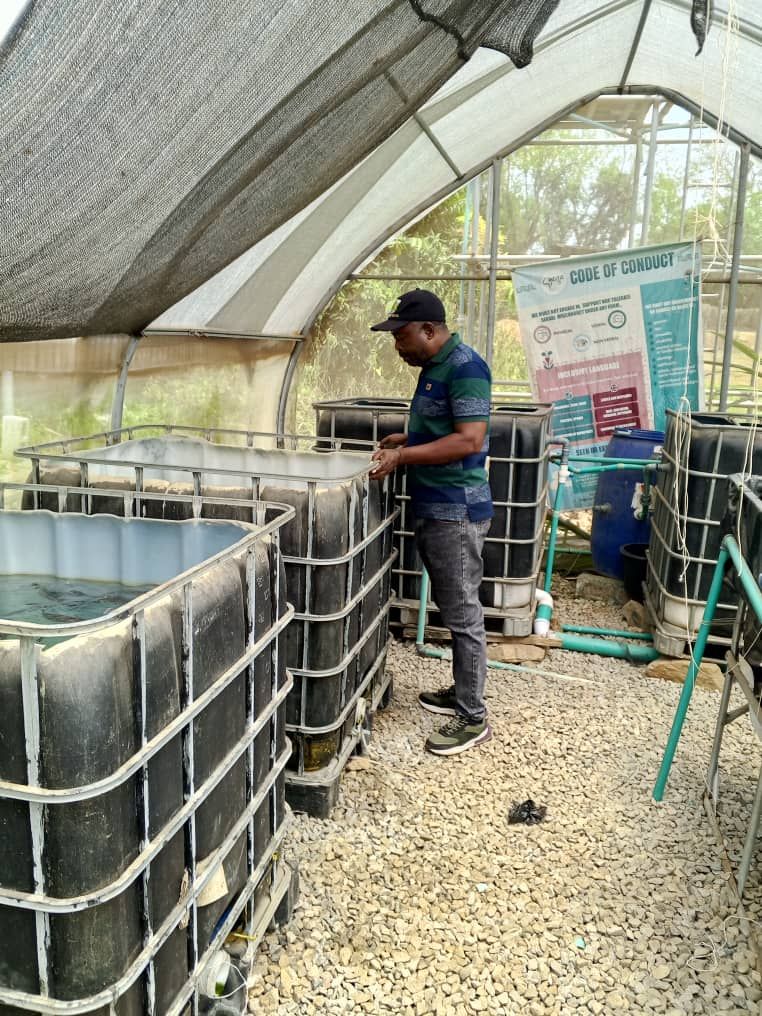
University of Ibadan (UI) Living Lab had the pleasure of welcoming Dr. Olapade Olufemi Julius from Njala University Living Lab. During the visit, he explored some of the most exciting ongoing activities, especially the organic fertilizer trials and the innovative aquaponics unit. He also connected with members of the UI Living Lab team, exchanging insights and learning more about the processes driving their work. These kinds of exchanges are key to inspiring fresh ideas, fostering collaboration, and moving our Living Labs forward together.

University of Ibadan Develops Fingerling Production Unit

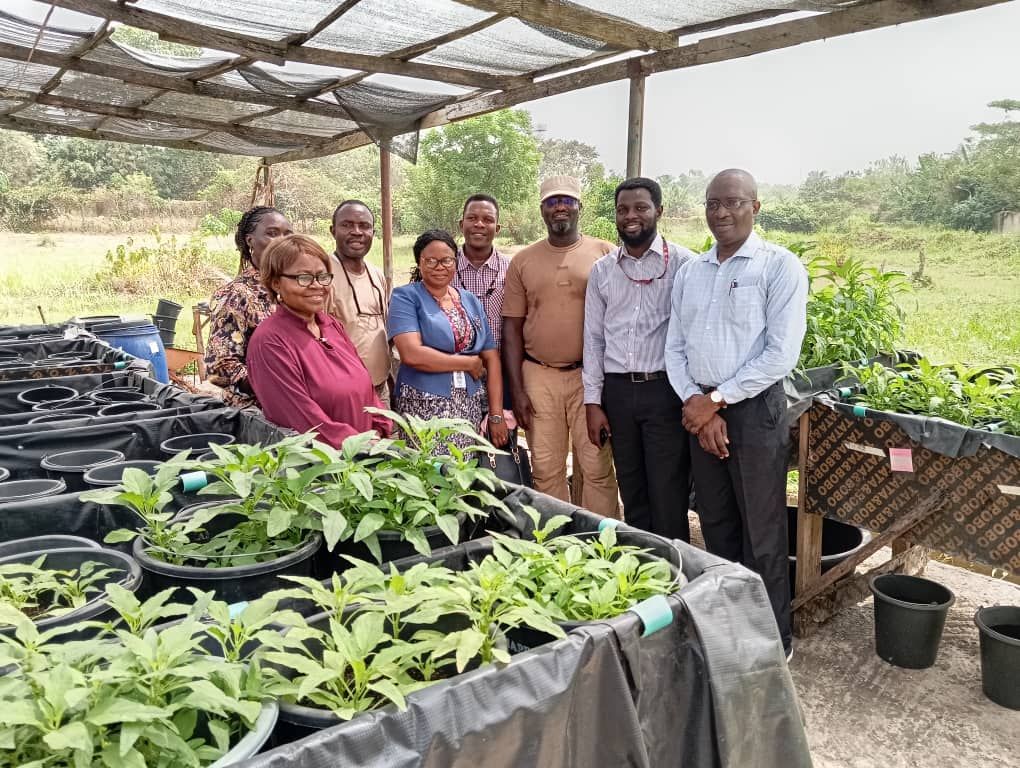
University of Ibadan hosted a workshop at its Living Lab within the Department of Aquaculture and Fisheries Management. Titled “Urban Food Production: Lessons from the INCiTiS-FOOD Project,” the event brought together a diverse group of stakeholders, including university members, NGOs, students, farmers, aquaponics and hydroponics practitioners, insect production experts, SMEs, and entrepreneurs. The workshop provided a platform to share knowledge, exchange ideas, and showcase the Living Lab’s activities and their potential for real societal impact. Strengthening collaboration between research, innovation, and practice is key to building sustainable urban food systems, and this workshop was a step in that direction.

Bell Pepper Trial Comparison at Aglobe Development Center

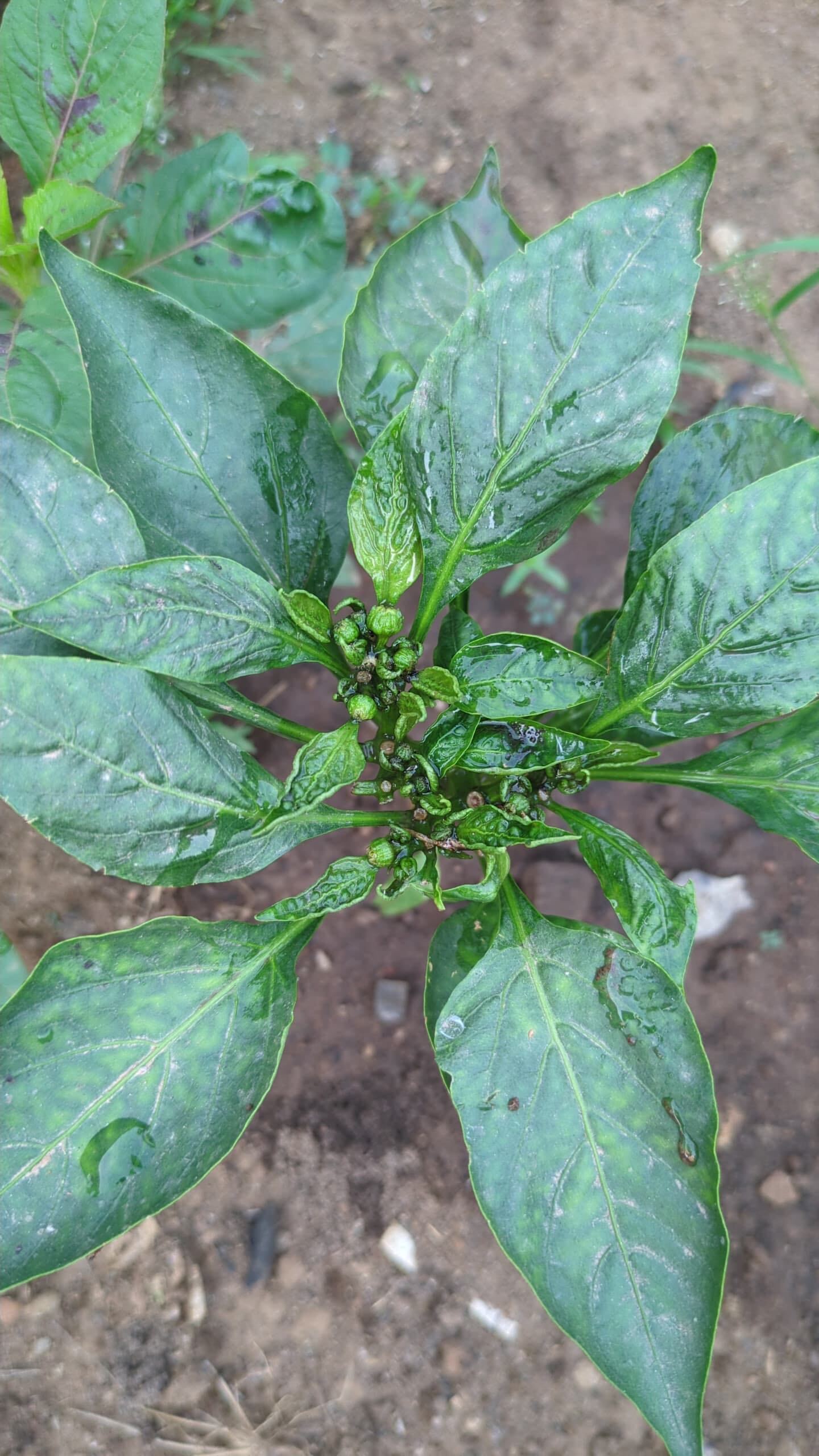
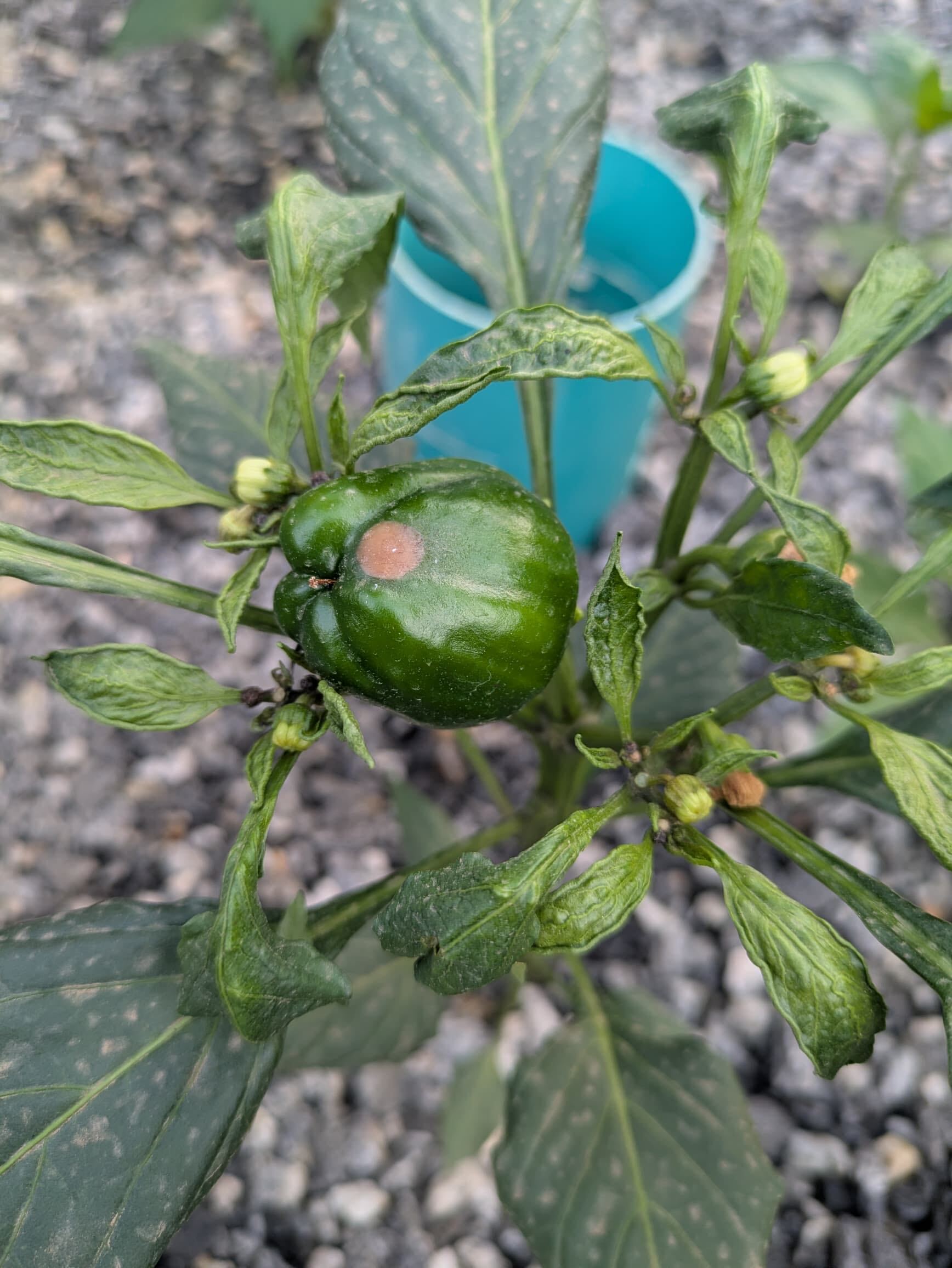
The team at Aglobe Development Center planted the same variety of bell pepper in two systems: a simplified aquaponics unit and a conventional soil-based system. The trial offered a practical comparison of how the two growing methods performed under the same conditions. Can you guess which plants went on to produce fruit — and which kept flowering?

Amaranth Harvest from University of Ibadan Living Lab Hydroponic Unit

Today’s harvest of amaranth from the UILLs’ hydroponic unit highlights the productivity and freshness achievable through soilless cultivation. The leafy greens were harvested at optimal maturity, reflecting the effectiveness of the hydroponic system in supporting nutritious vegetable production.

Visits at the University of Ibadan

The University of Ibadan Living Lab recently welcomed visitors from the International Livestock Research Institute (ILRI). During the visit, the ILRI team toured the Living Lab and explored technologies currently being implemented under the INCiTiS-FOOD project, with discussions centred on their application in sustainable and circular food systems. The Living Lab also hosted Dr Emmanuel Benjamin from the Aglobe Development Center for an inter-Living Lab exchange, creating space for dialogue with both the Living Lab team and the ILRI group. These interactions supported shared learning and strengthened collaboration across institutions working towards resilient food systems in Africa.

Developments at Njala University in Sierra Leone

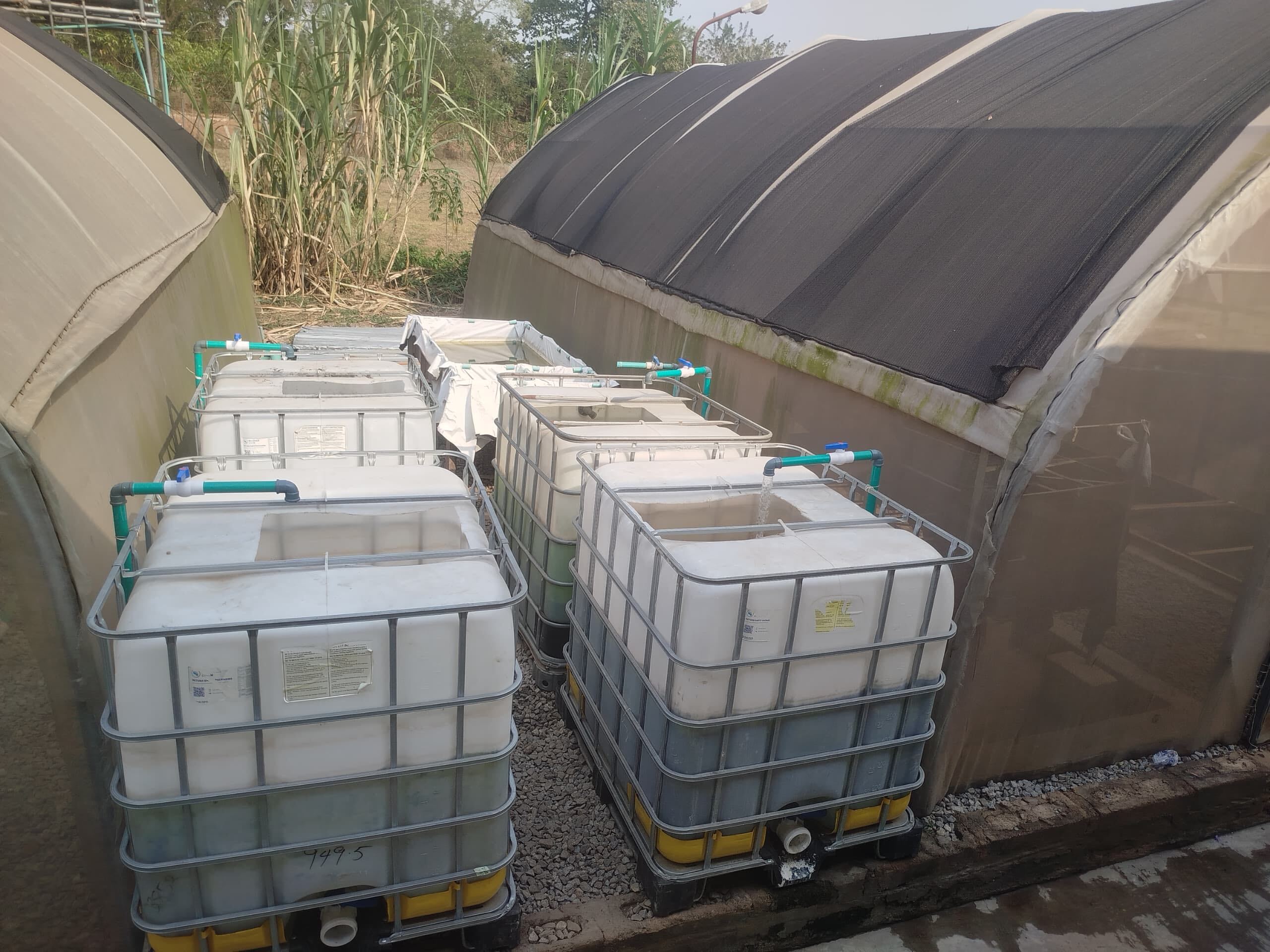
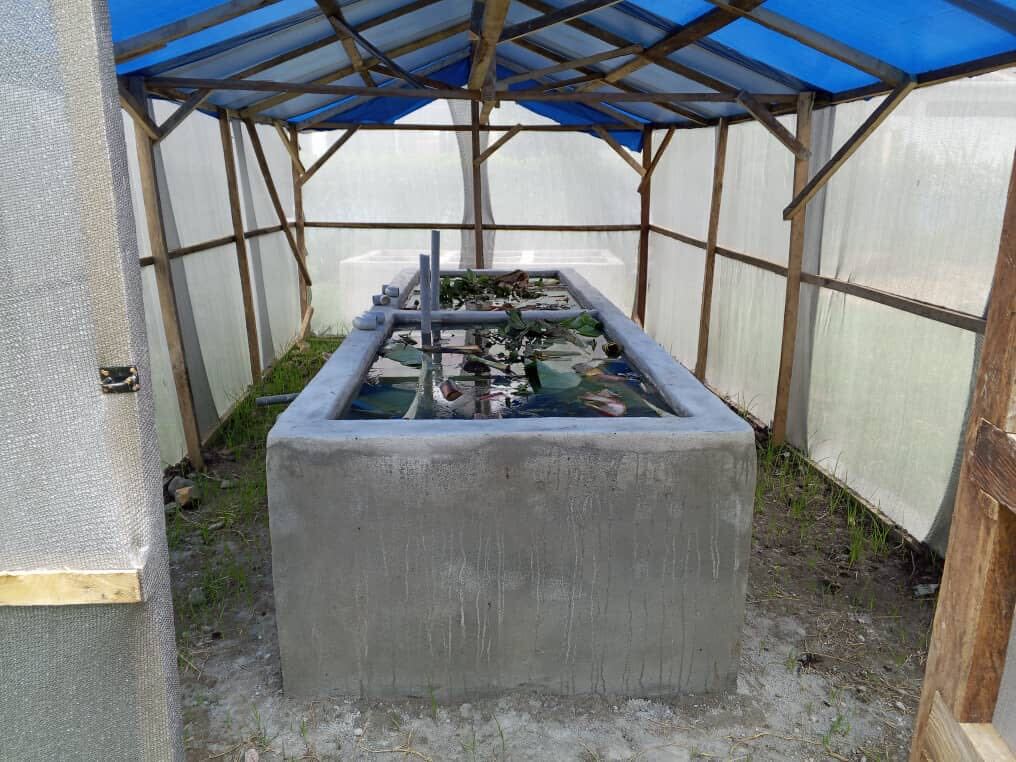
Development activities at Salone Aquaponics in Sierra Leone are currently underway. The system features a design that supports multiple aquaponics setups while ensuring the judicious use of water resources. Further updates, including progress from other farms, are expected to be available in the coming days.

Kenyatta University Introduces the “Grassroot Champions” Concept

Kenyatta University (KU) has established the concept of “grassroot champions,” where innovation actors take on the role of showcasing the adopted technologies within their networks and local neighborhoods. This approach supports peer-to-peer knowledge sharing and encourages wider adoption of innovative solutions at the community level.

Visiting the Open Call Winner

INCiTiS-FOOD co‑cordinator Emmanuel Benjamin visited Yaba College of Technology (YABATECH), a partner in the winning AQUA‑CITE consortium from the first INCiTiS-FOOD Open Call. During the visit, our co-coordinator and YABATECH representatives discussed Ethics and GDPR procedures. He also met with members who will be receiving their simplified aquaponics units. The exchange strengthened connections between INCiTiS-FOOD representatives and Open Call winners, supporting collaboration and knowledge sharing within the project.

Shopping Basket