
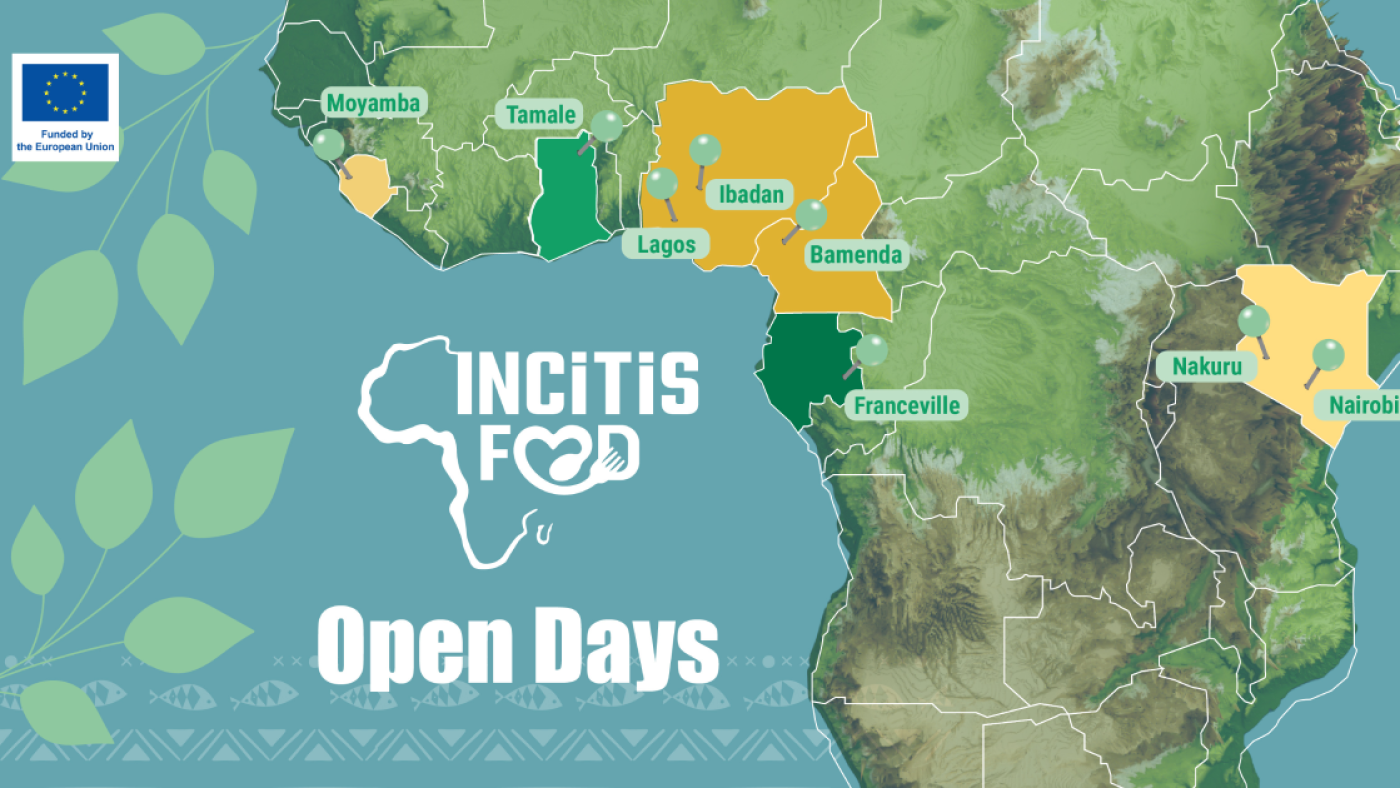
Between late December 2025 and late January 2026, a series of Open Days was held across the INCiTiS-FOOD Living Labs. These events aimed to present the second INCiTiS-FOOD Open Call, clarify its requirements, and bring its opportunities closer to local communities. At the same time, they served as a platform to showcase the work of the Living Labs and to inspire locally driven innovation.
Read on to learn more about each Open Day.
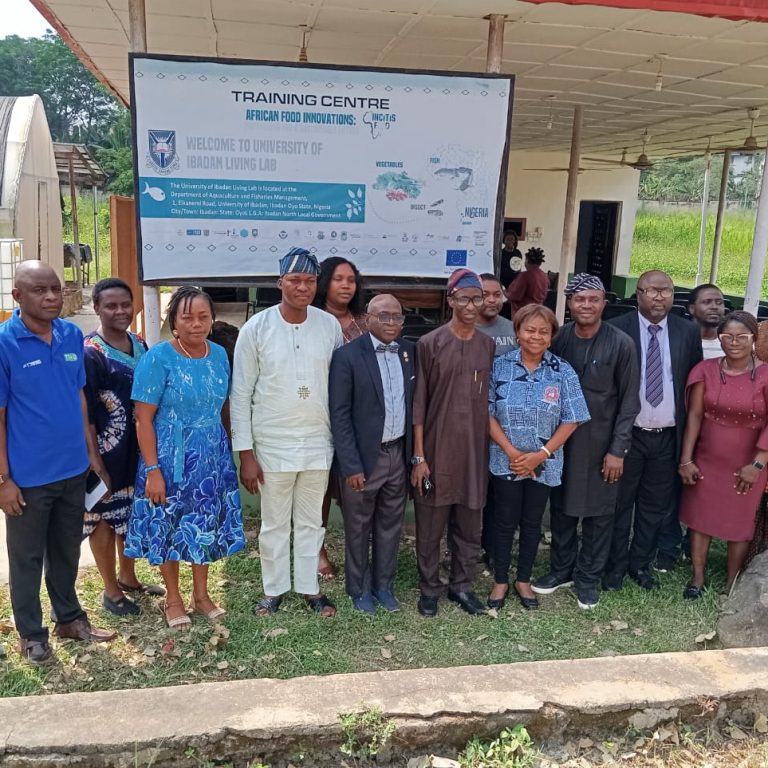
University of Ibadan Open Day
The first Open Day within the second INCiTiS-FOOD Open Call campaign was organised by the University of Ibadan Living Lab on 29 December 2025. The event was held alongside the INCiTiS-FOOD Project Update Meeting at the University of Ibadan, bringing together project partners and stakeholders to reflect on the project’s progress and future activities.
The meeting provided an opportunity to present key achievements, discuss ongoing challenges, and align priorities for the final phase of the project. Within this context, participants also engaged in discussions related to the second INCiTiS-FOOD Open Call, including its objectives, requirements, and opportunities for local innovators and entrepreneurs.
By integrating the Open Day into the broader project update meeting, the University of Ibadan Living Lab created a space for knowledge exchange, collaboration, and dialogue around sustainable and locally driven food system innovation
The Aglobe Development Center Open Day
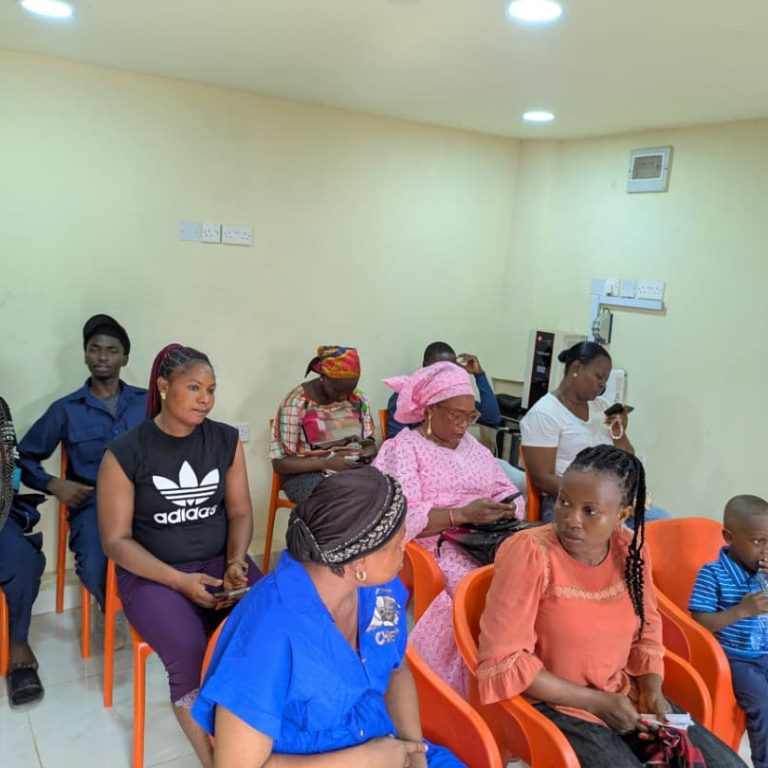
The Aglobe Development Center Open Day was held on the 7th of January, and it began with an introduction to the INCiTiS-FOOD project, offering participants an overview of its vision, achievements, and ongoing efforts to strengthen sustainable and inclusive food systems across Africa.
Following the introductory session, participants were invited to tour the Living Lab facilities, where the Aglobe team presented their ongoing activities and in-house food production systems. Particular attention was given to the Recirculating Aquaculture System (RAS), hydroponics, and aquaponics, demonstrating how fish and vegetable production can be efficiently integrated through circular approaches. The tour also introduced heliculture, or snail farming, as an additional sustainable protein source with strong potential for income generation and food security in African cities.
The Open Day continued with a presentation of the second INCiTiS-FOOD Open Call, during which participants were guided through the objectives of the call and its eligibility criteria. This was followed by an innovators’ pitch session, where local innovators presented their ideas and solutions aimed at addressing challenges within their communities.
The event concluded with closing remarks and an appreciation of all participants. As part of the Living Lab’s commitment to knowledge sharing and community empowerment, fresh produce from the Living Lab was distributed to some attendees, while interested farmers also received vegetable seeds to support local agricultural activities.
Kenyatta University Open Day
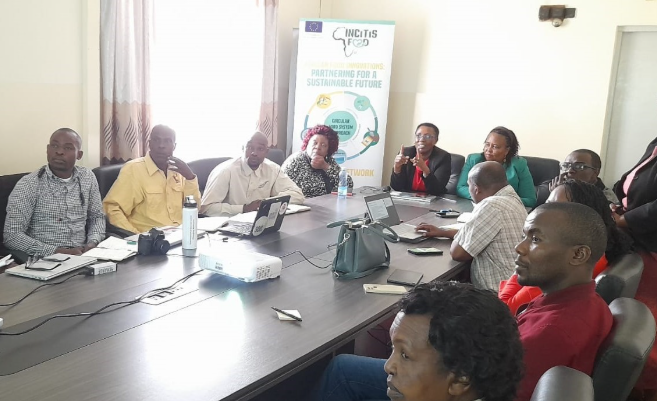
The Kenyatta University Living Lab organised its Open Day activities through both online and in-person engagement with onboarded actors and local innovators. Ahead of the physical meeting, participants received an invitation through the Living Lab’s active WhatsApp community, where the documentation for the second INCiTiS-FOOD Open Call was also shared to ensure that all participants had access to the relevant information in advance.
During the physical meeting held on 13 January 2026, the Living Lab team guided participants through the Open Call objectives, eligibility criteria, requirements, and expectations. The session encouraged active participation, allowing attendees to ask questions and seek clarification regarding the application process and proposal preparation.
A key part of the discussion focused on the current challenges faced by the Living Lab. By presenting these challenges openly, the team aimed to encourage participants to identify innovative and locally relevant solutions that could address existing gaps within the food system. Participants were also encouraged to visit the Living Lab independently to better understand the context and further develop their ideas.
Following the Open Day, the Living Lab continued supporting participants through follow-up meetings and individual online engagement, creating opportunities for applicants to refine and strengthen their proposals. As a result of these activities, several innovators successfully pitched their ideas and expressed interest in proceeding with full proposal submissions to the Open Call platform.
Through interactive discussions and continuous engagement, the Kenyatta University Living Lab Open Day contributed to strengthening outreach efforts, supporting innovators throughout the application process, and fostering knowledge exchange among entrepreneurs, innovators, and other stakeholders.
University for Development Studies Living Lab
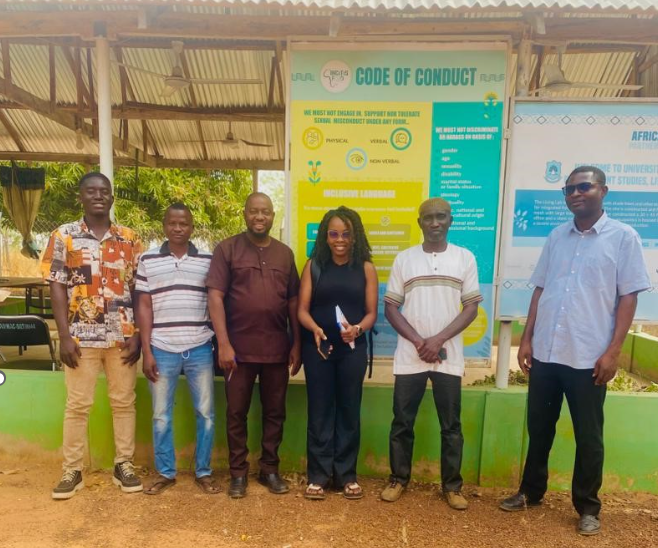
The Open Day at the University for Development Studies (UDS) Living Lab took place on 17 January 2026 and presented the second INCiTiS-FOOD Open Call to potential applicants from the local community. The session was facilitated by Prof. Emmanuel Abarike, Living Lab Technician, who provided a comprehensive overview of the funding opportunity, including its objectives, available funding amounts, and key requirements for proposal submission.
Participants were guided through the application process, with step-by-step explanations on how to access and complete the application forms, as well as how awarded grants are expected to be implemented. The session encouraged active participation, with attendees engaging in a lively question-and-answer segment to clarify key aspects of the call. The Open Day concluded with strong encouragement for participants to submit high-quality proposals, reflecting the interest and motivation within the UDS community to engage with the opportunity.
Egerton University Open Day
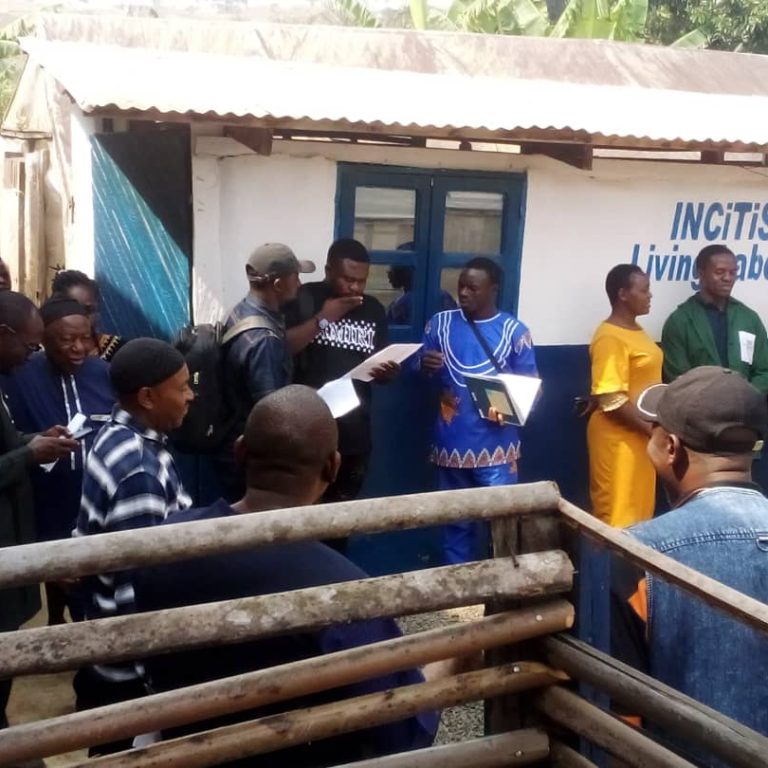
The Egerton University Living Lab Open Day, which was held on 19 January 2026, brought together 28 participants. The session was facilitated by members of the Egerton Living Lab team, including Prof. Owuor, Prof. Josephine Ouma, and Dr. Bernard Karanja.
The programme began with participant registration, followed by an introduction to the purpose of the second Open Call, an overview of the project’s objectives and innovation focus areas, and an outline of the Egerton Living Lab’s activities and potential collaboration opportunities. Participants were then taken through a detailed presentation of the second Open Call, including eligibility criteria, expectations, and application requirements. The session also created space for participants to present their current activities and proposed ideas, and to seek clarification on how these could align with the Living Lab’s priority research areas.
A key component of the Open Day was a guided tour of the Egerton Living Lab facilities, where participants were introduced to circular food system approaches and ongoing experimental activities, including the InsectPro foliar feed trial.
The Open Day concluded with agreement among participants to further refine their ideas over a one-week period before returning for pitching. This follow-up pitching session took place on 26 January, where seven participants presented their proposals. Following brief presentations and discussions, proposals were assessed using a structured evaluation tool, and the highest-ranked ideas were selected for further support, including guidance in preparing and submitting.
Bamenda University of Science and Technology Living Lab
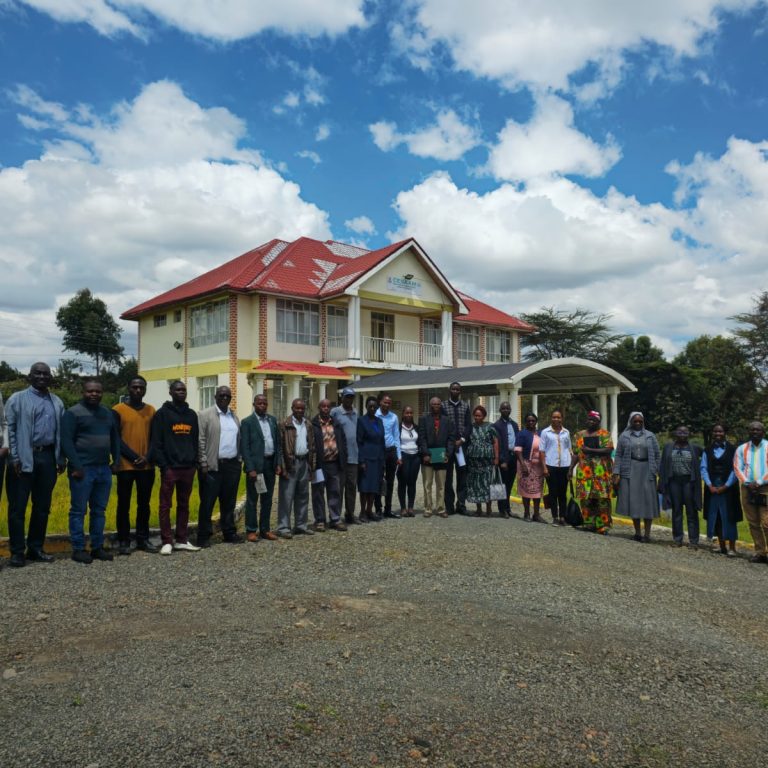
The Open Day at the Bamenda University of Science and Technology (BUST) Living Lab was held on 21 January 2026 under the theme “Transforming circular agriculture technologies into business startups”, as part of the second INCiTiS-FOOD Open Call for independent innovators. The event brought together potential applicants, students, and university staff, creating a dynamic setting for engagement and exchange.
The event was officially opened by the Vice Chancellor of BUST, who highlighted the importance of the INCiTiS-FOOD project and outlined its two Open Calls: one targeting local innovation hubs and the other focused on independent innovators. He encouraged participants to take advantage of the opportunity to transform their ideas into viable small and medium-sized enterprises.
Following the opening session, participants were taken on a guided tour of the Living Lab facilities, where they were introduced to circular agri-food technologies and ongoing practices. The visit served as a practical demonstration of how these approaches can support innovation and inspired further discussion during the coffee break and throughout the day.
After the break, the Principal Investigator, Prof. Balgah Roland Azibo, presented the second Open Call in detail, including submission requirements and deadlines, while the Living Lab Manager provided guidance on pitching techniques and examples. The Living Lab team also reaffirmed its commitment to supporting participants in developing their project ideas in a collaborative manner.
The programme included a practical pitching exercise, during which two volunteers presented their ideas and received feedback from peers and facilitators. This was followed by a discussion on next steps and an action plan to support engagement with the Open Call.
The event concluded with closing remarks, emphasising the importance of collaboration and innovation within the agri-food sector. Participants also had time for informal networking over lunch before departure. The Open Day was covered by My Media Prime TV and was overall considered highly successful.
Njala University Open Day
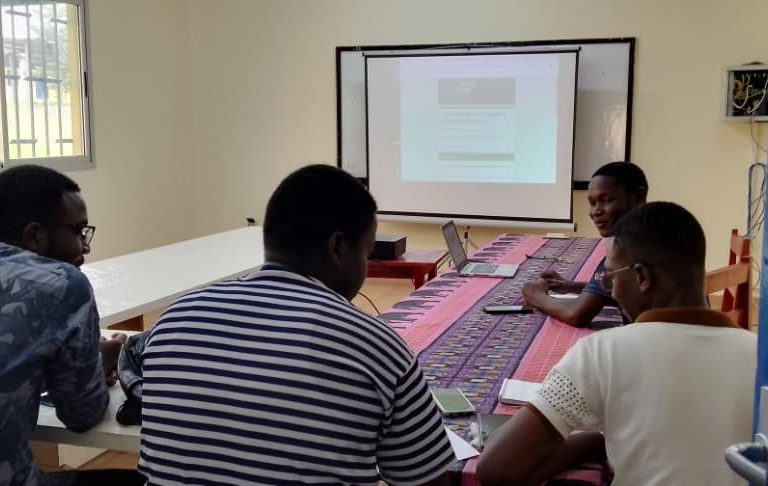
The Njala University Living Lab Open Day was held online and brought together 15 potential applicants interested in the second INCiTiS-FOOD Open Call. The virtual format enabled participation from a diverse group of innovators, ensuring broader outreach and accessibility.
During the session, participants were introduced to the objectives of the Open Call, including its focus on supporting locally driven innovation within sustainable and inclusive food systems. The Living Lab team also provided an overview of key application requirements and expectations, helping participants better understand how to align their ideas with the call’s priorities.
A significant part of the two-hour session was dedicated to an interactive question-and-answer segment, which allowed participants to seek clarification on eligibility criteria, application procedures, and idea development. This exchange proved particularly valuable in addressing individual concerns and guiding potential applicants through the next steps of the process.
Overall, the online Open Day served as an effective platform for engagement and knowledge sharing, strengthening the connection between the Njala University Living Lab and prospective innovators.
Université des Sciences et Techniques de Masuku Living Lab
The Université des Sciences et Techniques de Masuku (USTM) Living Lab Open Day took place over two consecutive days on 22 and 23 January 2026, bringing together 17 young participants aged between 22 and 29. The sessions were designed to provide hands-on guidance on the second INCiTiS-FOOD Open Call and to strengthen participants’ understanding of the application process.
The first day focused on introducing and interpreting the Open Call in French, ensuring that participants fully understood its objectives, spirit, and expectations. This session placed particular emphasis on clarifying the purpose of the call and supporting participants in aligning their ideas with its requirements.
The second day was dedicated to a practical simulation of the application process. Participants were guided through a mock submission exercise, during which they explored the different sections of the application form and received support in addressing common questions raised by applicants. This hands-on approach helped strengthen their readiness to prepare and submit their own proposals.
Overall, the two-day Open Day provided an interactive and supportive learning environment, enabling participants to gain both conceptual understanding and practical experience in engaging with the Open Call.
Conclusion
Overall, the Open Days organised across the INCiTiS-FOOD Living Labs demonstrated the strong interest in locally driven innovation and the important role of Living Labs in connecting communities, researchers, entrepreneurs, and innovators. Beyond presenting the second Open Call, these events created opportunities for dialogue, practical learning, idea development, and collaboration around sustainable and circular food system solutions. Through presentations, facility visits, pitching sessions, and continuous follow-up support, the Living Labs helped participants better understand both the challenges and opportunities within their local contexts.
Follow our Knowledge Hub for more information about Living Labs.
Add a Comment